Minimally invasive injection treatment for spider and varicose veins.
Recognizing the signs early and discussing them with your healthcare provider can help prevent complications and keep your legs healthy and comfortable.
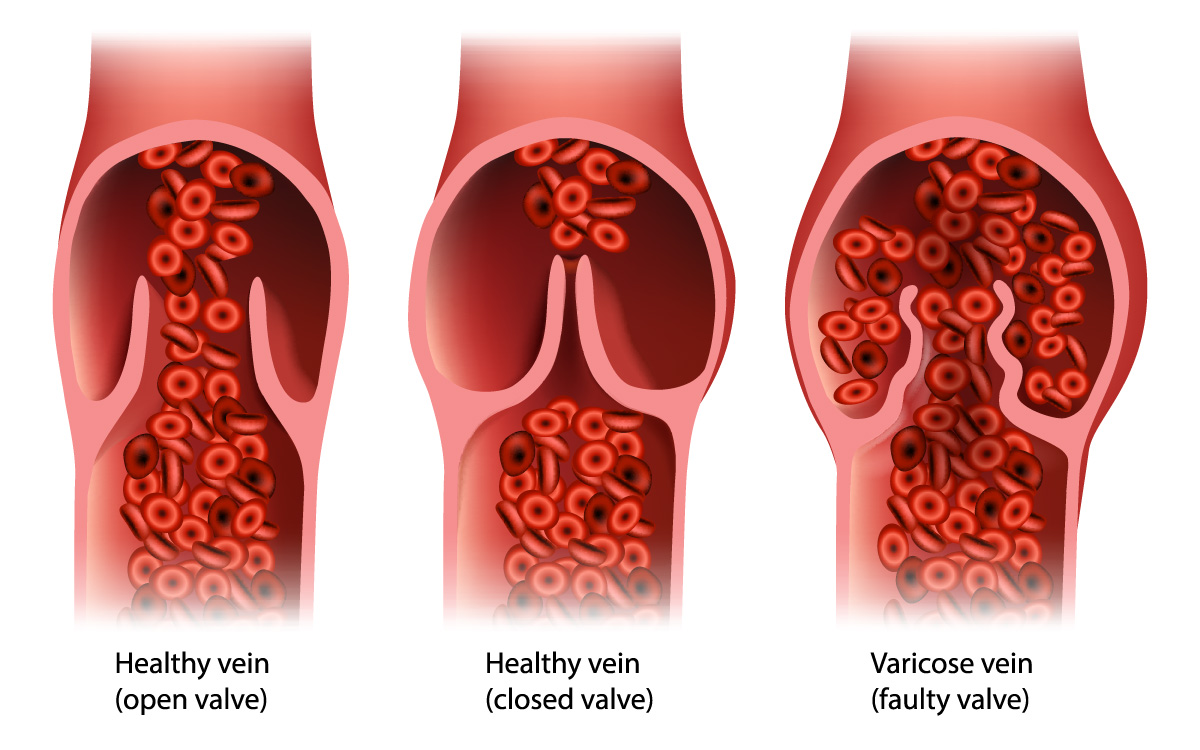
Venous insufficiency is a long-term condition that affects how blood flows through the veins in your legs. Normally, your veins have thin one-way valves that help blood move upward toward the heart. When these valves become weak or damaged, blood can flow backward and pool in the veins, causing increased pressure. Over time, this pressure can stretch and weaken the vein walls, leading to visible varicose or spider veins, as well as swelling, heaviness, aching, cramping, or skin changes such as dryness or discoloration.
Chronic Venous Insufficiency Blood Flow
Several factors can increase your risk, including age, family history, pregnancy, obesity, long periods of standing or sitting, and previous blood clots. If venous insufficiency isn’t properly managed, it can lead to more serious problems such as chronic skin changes or leg ulcers.
Common Causes of Varicose Veins

Age
As we age, vein walls and valves lose elasticity, become stiffer, and simply don’t work as well.

Family History
It’s passed down in families.

Pregnancy
Pregnancy, birth-control pills, or menopause shift female hormones, letting vein walls stretch and raising varicose-vein risk.

Obesity
Carrying extra weight puts added pressure on the veins.

Prolonged Standing or Sitting
Staying seated or standing too long slows blood flow.

Health Conditions
Conditions like severe constipation push extra pressure against the veins.
Stages of Venous Insufficiency
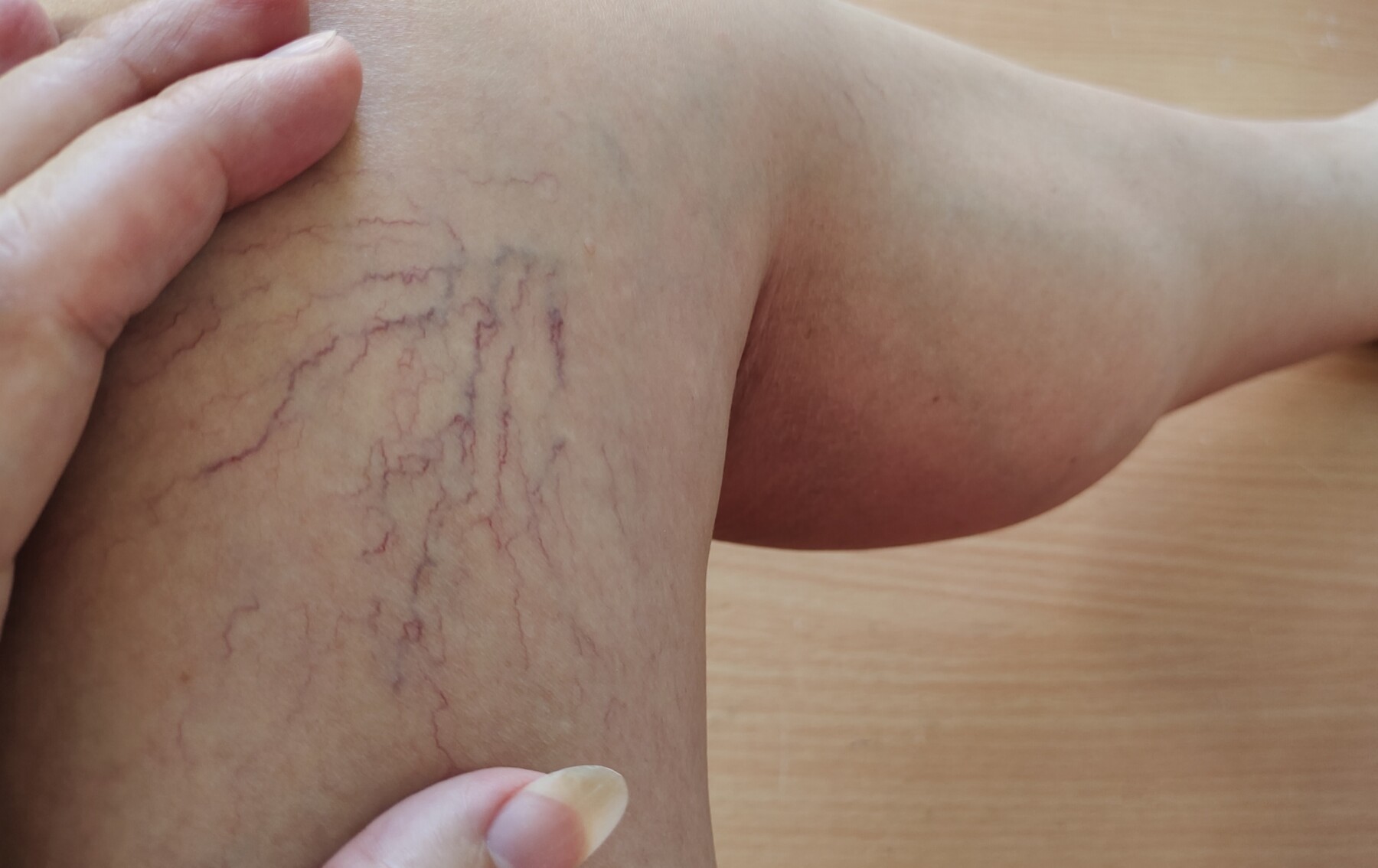
Telangiectasias or reticular veins
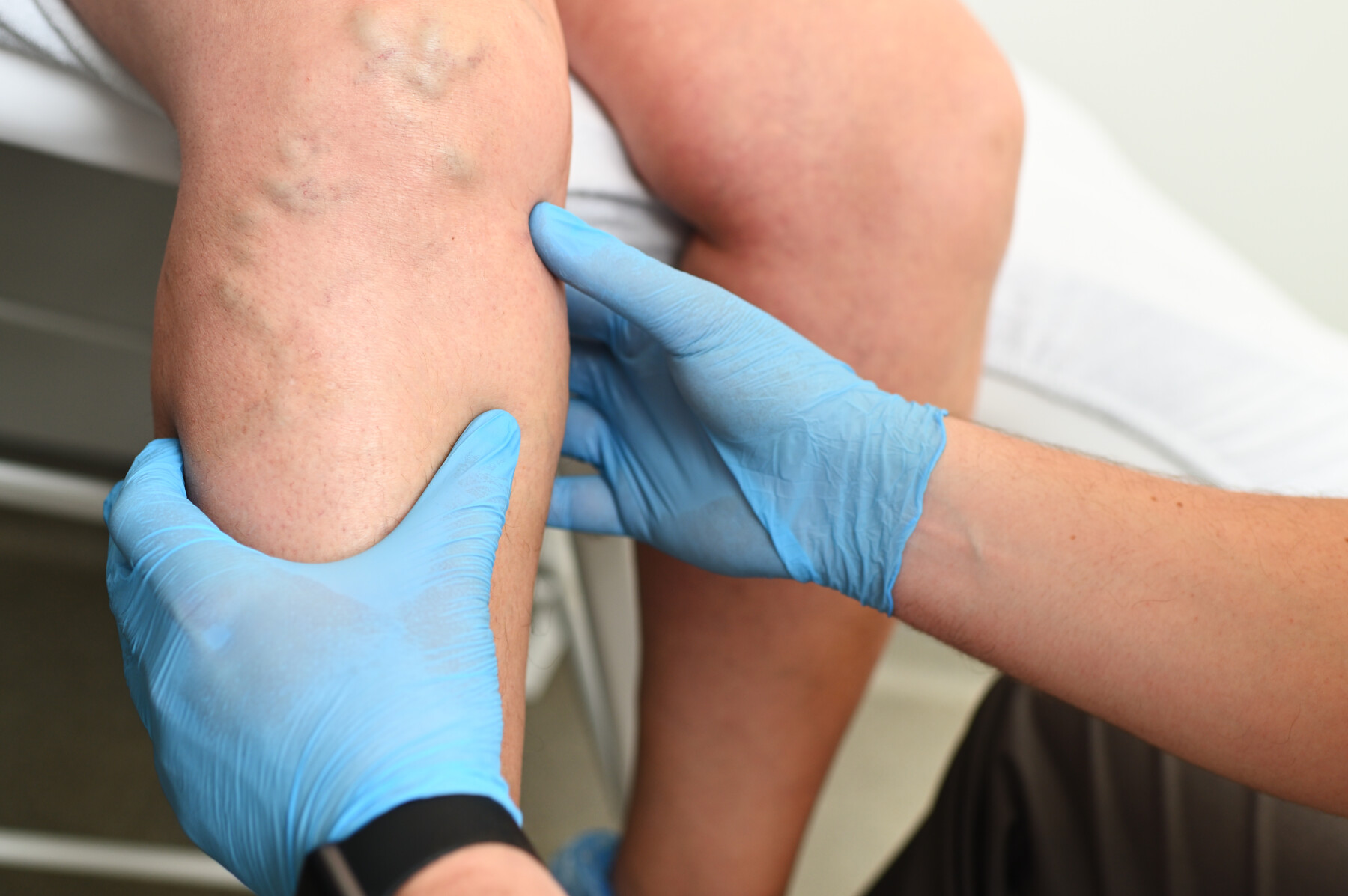
Varicose veins
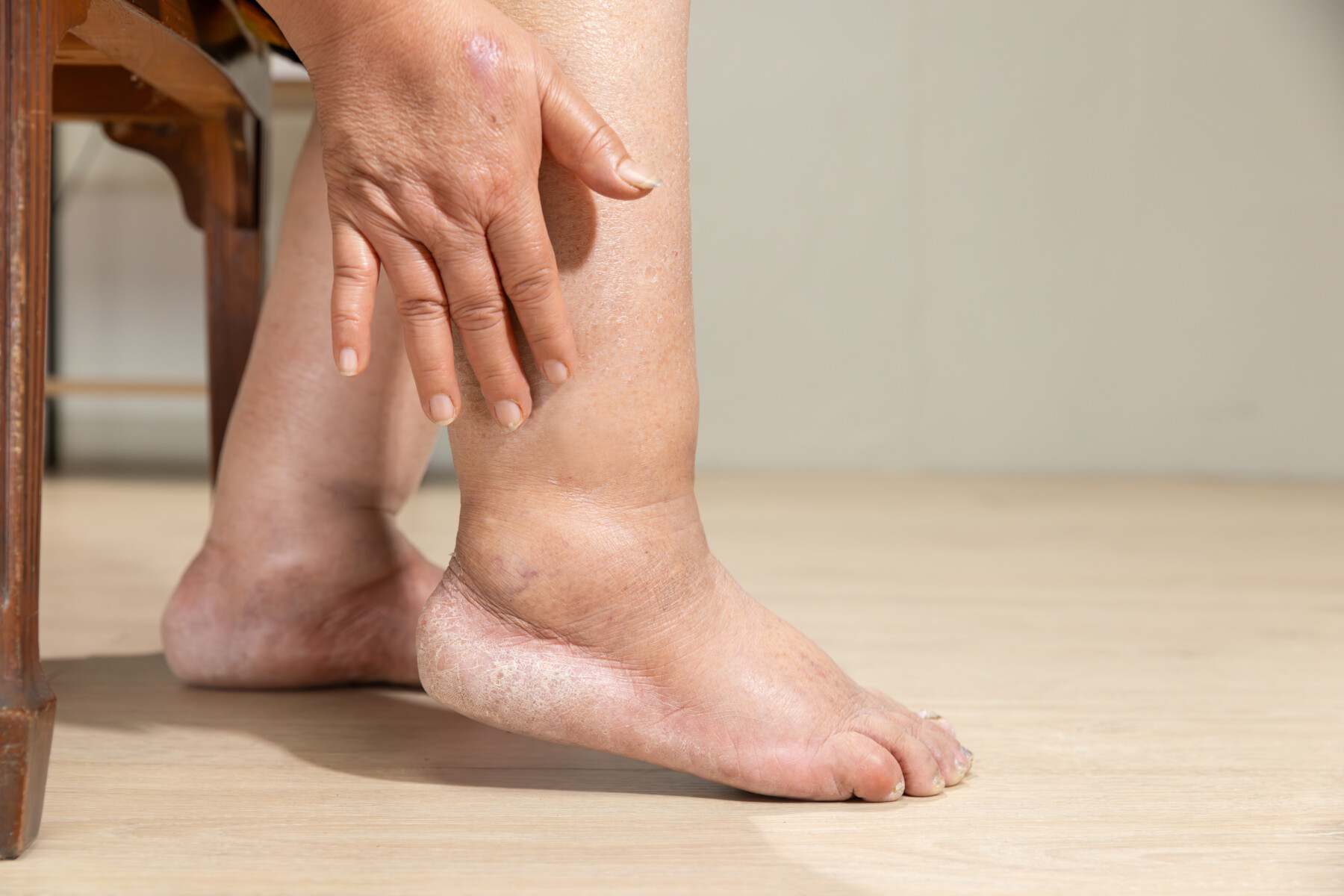
Oedema
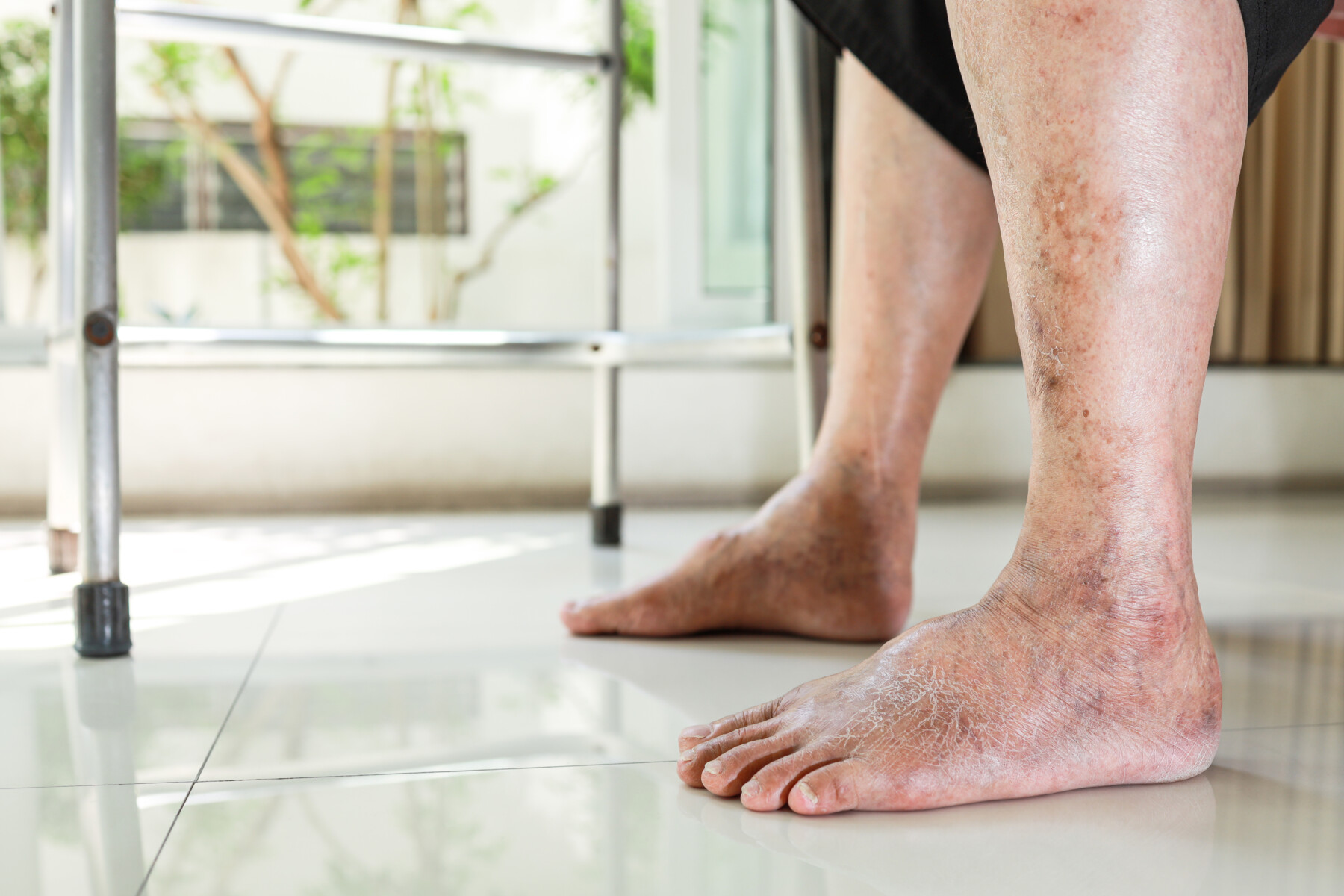
Eczema and pigmentation
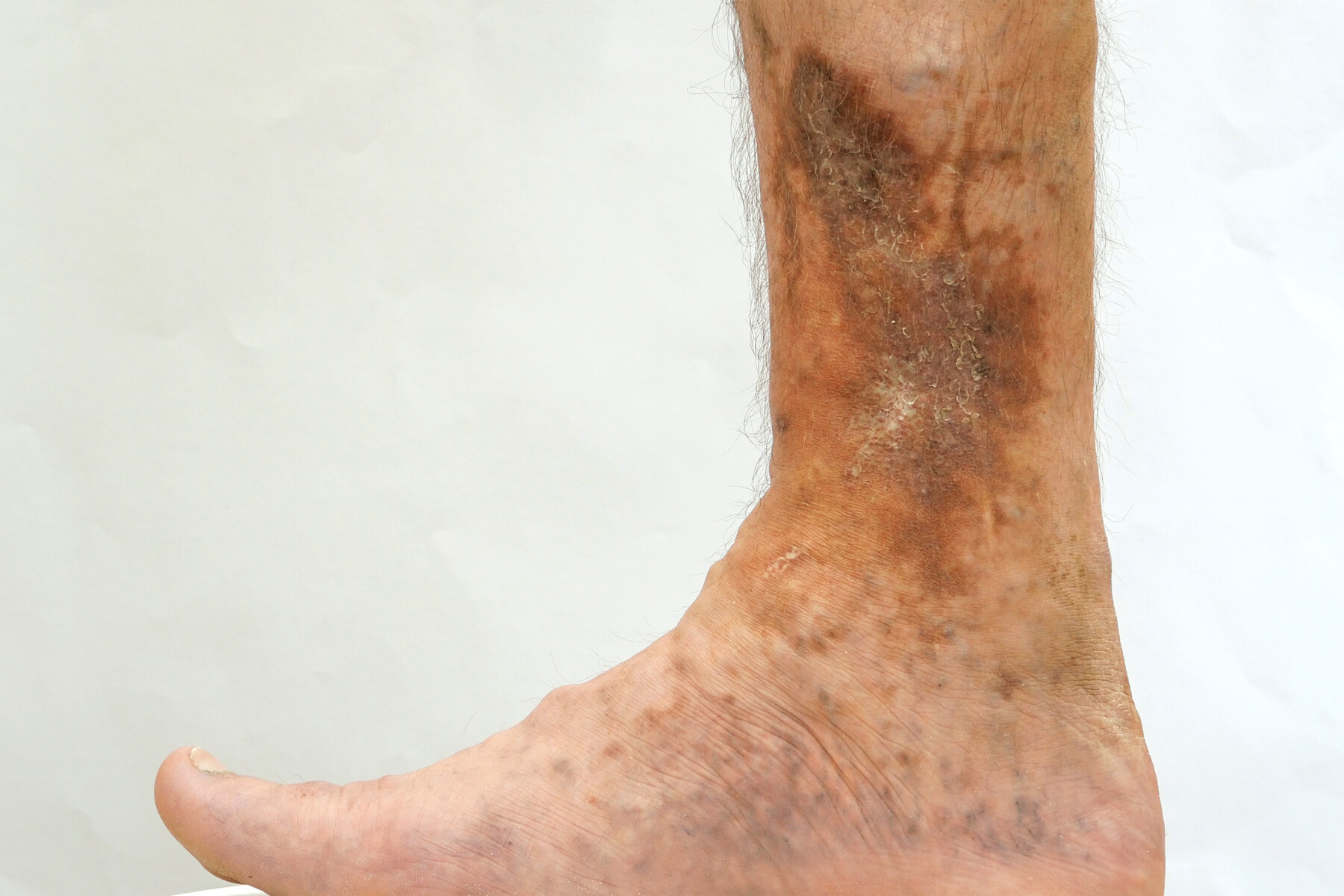
Healed venous leg ulcer
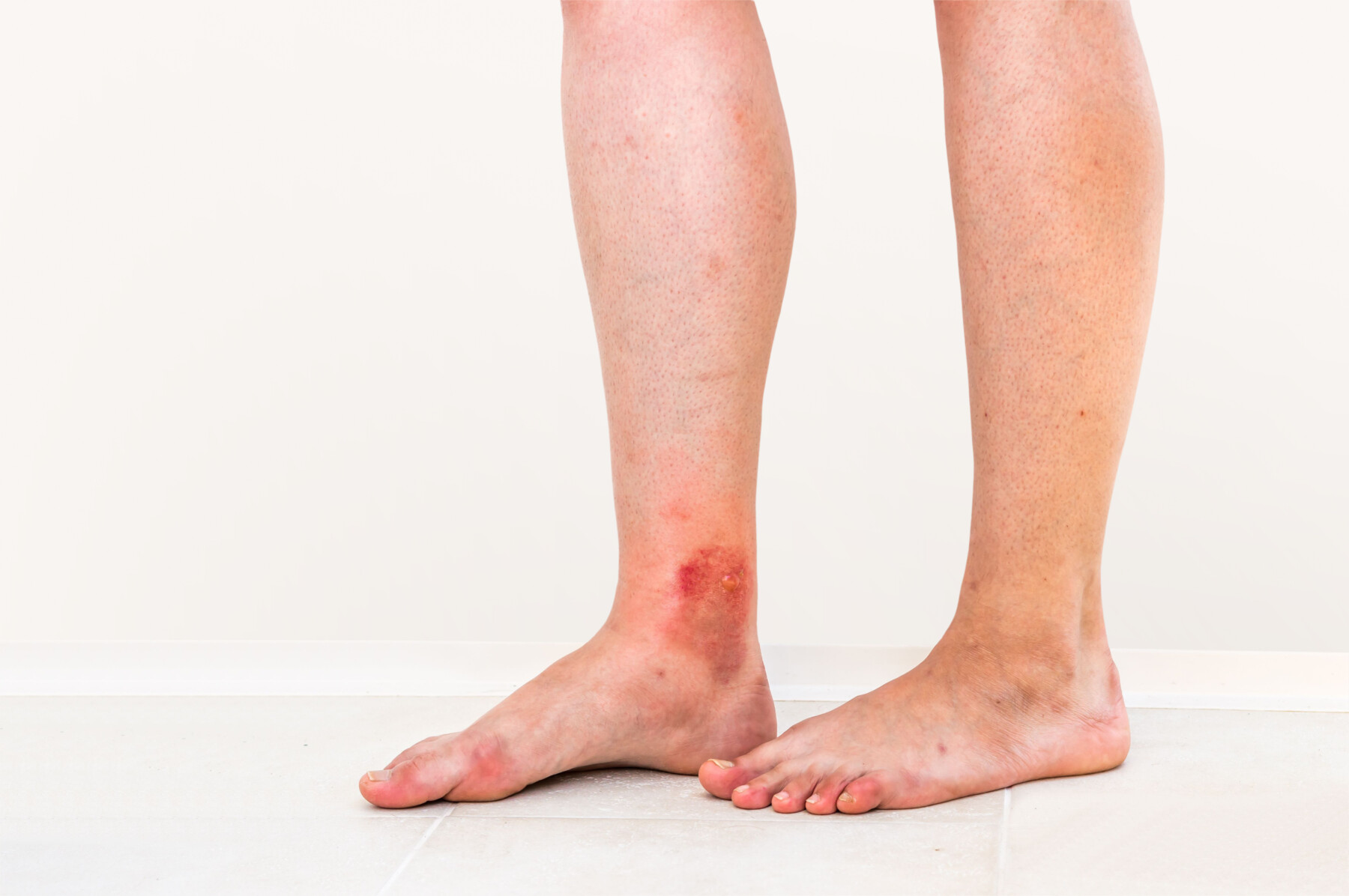
Active venous leg ulcer
Preventing Venous Problems
While genetics and age can’t be changed, several steps help prevent or slow vein disease

Stay active
Walking, swimming, or cycling improves circulation.
Maintain healthy weight
Reduces pressure on leg veins.

Elevate your legs
Helps blood flow back to the heart.
Avoid prolonged sitting or standing
Take breaks to move around.

Wear compression stockings
Helps prevent vein swelling in at-risk patients.

Avoid tight clothing around the legs or waist
Restrictive clothing can reduce circulation.
Treatment Options for Venous Problems
At Vena Cura, treatment is tailored to the type and severity of your vein condition. Our goal is to improve your comfort, function, and appearance using the least invasive methods possible.
Sclerotherapy
Treatment DetailsVenaSeal
Medical adhesive procedure that seals varicose veins without heat or downtime.
Treatment DetailsFAQs
Get all your varicose and spider vein treatment questions answered with our comprehensive guide to understanding procedures, insurance coverage, and recovery.
Introduction
Surgical treatments for symptomatic veins are covered by Medicare. However, VenaSeal™ and sclerotherapy are not covered by provincial health insurance and are typically not reimbursed by private insurance plans. Your provider can help explain costs.
A consultation with duplex ultrasound helps identify the cause and severity of your vein condition. Your specialist will then recommend the best option, such as surgical options, sclerotherapy, or VenaSeal™.
No. While they can affect appearance, varicose veins may also cause heaviness, swelling, aching, cramps, and fatigue — signs of underlying venous insufficiency.
Varicose and spider veins develop when vein valves weaken or fail, causing blood to pool instead of flowing efficiently back to the heart. Genetics, pregnancy, standing for long hours, and aging can increase the risk.
No. Your consultation is covered by provincial health insurance (Medicare) when you have a referral from your doctor. This means there is no out-of-pocket cost for your initial assessment.
